
Buying your first handgun is a significant decision. Whether your goal is personal protection, range training, or responsible ownership as a new enthusiast, understanding the legal process and making an informed purchase will set you up for success.
This guide walks you through exactly how handgun purchases work in Iowa; clearly, accurately, and without the noise.
Do You Need a Permit to Buy a Handgun in Iowa?
Short answer, No.
As of July 1, 2021, Iowa no longer requires a “Permit to Acquire” in order to purchase a handgun. You do not need a purchase permit before going to a gun store.
However, you must:
- Be 21 years old to purchase a handgun from a federally licensed dealer (FFL)
- Present a valid government-issued photo ID showing your current Iowa address
- Pass a federal background check
There is no waiting period in Iowa. Once your background check is approved, you may take the handgun home the same day.
What Happens During the Purchase?
When buying from a licensed dealer (like Highland Arms), you will:
- Select your firearm.
- Complete ATF Form 4473 (Firearms Transaction Record).
- Highland Arms (the dealer) will run a background check through the National Instant Criminal Background Check System (NICS).
- Once approved and payment is complete, you may take possession of the firearm .
In most cases, approvals are returned quickly. Occasionally, a background check may be delayed for further review. Keep in mind, a delay does not automatically mean a denial.
There is no handgun registration in Iowa.
Who Cannot Purchase a Handgun?
Federal law prohibits certain individuals from purchasing or possessing firearms. This includes (but is not limited to):
- Individuals convicted of felony offenses
- Persons convicted of domestic violence misdemeanors
- Individuals subject to certain protective orders
- Unlawful users of controlled substances
- Individuals adjudicated as mentally defective or committed to a mental institution
If you are unsure about your eligibility, it is wise to seek clarification before attempting a purchase.
Choosing the Right Handgun for a First-Time Buyer
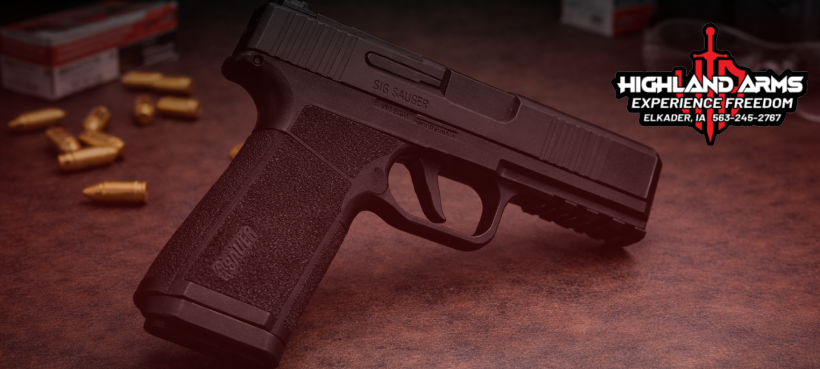
With so many options available today, the biggest question most first-time buyers have is simply: “What should I start with?” While preferences vary, many new handgun owners begin with a striker-fired pistol chambered in 9mm. Striker-fired handguns are known for their simple design, consistent trigger pull, and relatively low maintenance requirements. Popular models in this category include firearms like the Glock 19, the SIG Sauer P365, and the Smith & Wesson M&P 9. These types of pistols tend to be reliable, widely supported with accessories, and chambered in calibers that are easy to find and affordable to practice with.
Understanding Common Handgun Calibers
For most new shooters, the caliber of the handgun is one of the most important considerations. The most common calibers you’ll encounter when shopping for a first handgun include 9mm, .40 S&W, and .45 ACP.
- 9mm (9x19mm) is by far the most popular handgun caliber in the United States today. It offers a balance of manageable recoil, good magazine capacity, and relatively affordable ammunition for training. Because of these advantages, many law enforcement agencies and civilian shooters choose 9mm as their primary defensive caliber. For a first-time buyer, it’s often the easiest caliber to learn with and practice regularly.
- .40 S&W was widely adopted by law enforcement in the 1990s and is still common today. It typically produces more recoil than 9mm while offering slightly higher energy. Some shooters prefer it for defensive use, though many modern buyers have shifted back toward 9mm due to lower recoil and lower ammunition cost.
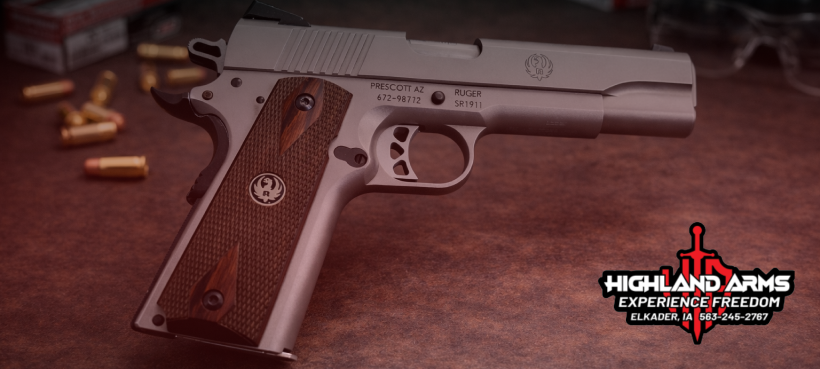
- .45 ACP is a larger caliber that has been popular for over a century. Known for its use in classic platforms like the Colt 1911, it produces a heavier recoil impulse and usually comes with lower magazine capacity. While many experienced shooters enjoy .45 ACP, it can be more expensive to practice with and may not be the easiest starting point for new handgun owners.
Compact vs. Full-Size
Another important decision is the overall size of the handgun. Handguns generally fall into several size categories, but the two most common for new buyers are full-size and compact models.
A full-size handgun typically has a longer barrel and larger grip. This often makes the firearm easier to control, especially for new shooters, because the larger frame helps absorb recoil and provides a more stable grip. Full-size pistols are commonly used for range training, home defense, and duty use.
A compact handgun is slightly smaller and lighter. These are often chosen by people who plan to carry the firearm concealed because the reduced size makes them easier to hide under clothing. The tradeoff is that smaller pistols can sometimes produce a bit more felt recoil and may have a shorter grip, which can be less comfortable for some shooters.
Fit Matters More Than Brand
Regardless of caliber or size, the most important factor when choosing a handgun is how it fits your hand. A handgun should allow you to comfortably reach the trigger, maintain a firm grip, and naturally align the sights when you present the firearm. If the grip feels awkward or forces you to adjust your hand position, it may not be the best option for you.
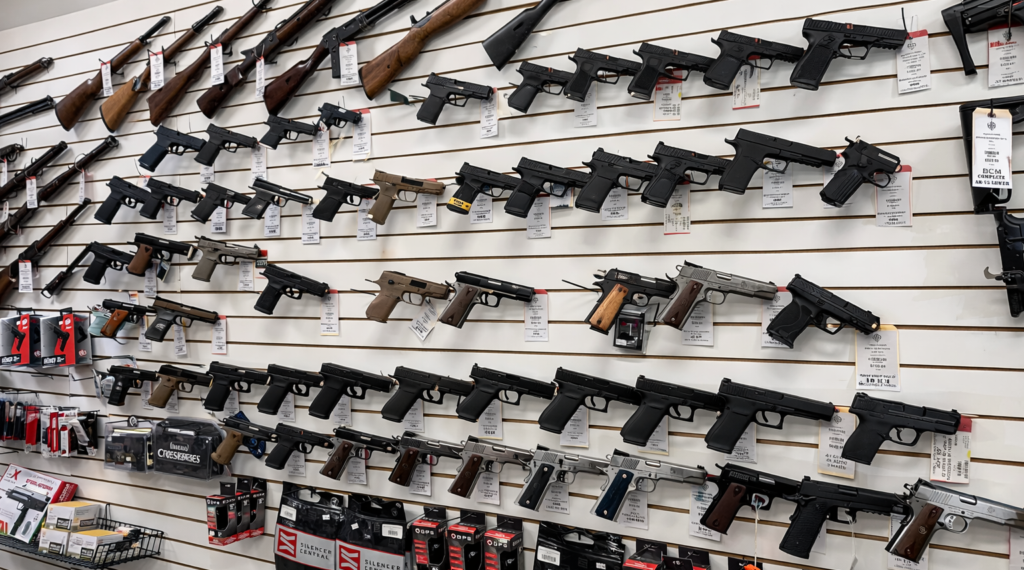
Whenever possible, it’s a good idea to handle several different models before making a decision. Many gun stores allow customers to compare firearms at the counter, which can make it much easier to determine what feels natural. Taking the time to find a handgun that fits well will make training more comfortable and help you build confidence as a new shooter.
Additional Costs to Expect
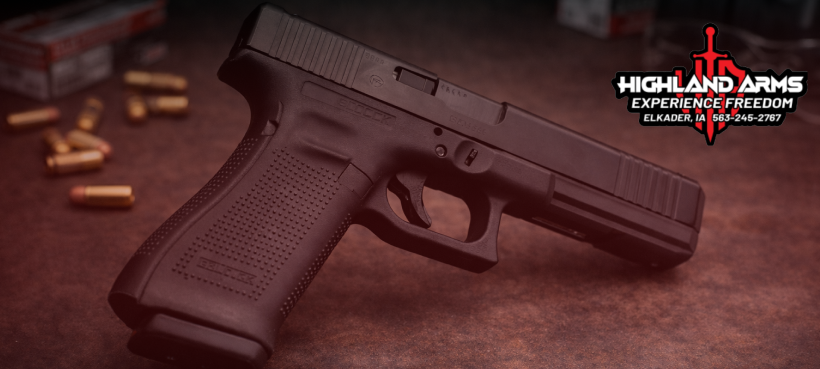
Something else many first-time buyers discover after their purchase is that the firearm itself is only part of the overall setup. A few essential accessories will help you use, maintain, and store your handgun safely and effectively. When budgeting for your first firearm, it’s smart to plan for some of these items as well.
One of the most important considerations is quality ammunition. Not all ammunition is designed for the same purpose. Most new owners will want practice ammunition for the range, along with defensive ammunition if the firearm will be used for personal protection. In addition to ammunition, proper eye and ear protection is essential for safe range use. Good hearing protection and clear eye protection help prevent injury and make your time at the range more comfortable.
Another important investment is secure storage. A handgun should always be stored in a way that prevents unauthorized access. Many owners choose a small handgun safe or lockbox that allows quick access while still keeping the firearm secured. Safe storage is especially important in homes with children, guests, or anyone who should not have access to the firearm.
Finally, it’s worth planning for basic cleaning supplies . Firearms require regular maintenance to function reliably, and a simple cleaning kit will help keep your handgun in good working condition. While training may not be legally required in Iowa, taking a reputable handgun safety or defensive shooting course can build confidence, reinforce safe handling habits, and help new owners get the most out of their firearm.
Final Thoughts
Buying your first handgun in Iowa is straightforward from a legal standpoint: be 21, pass a background check, and purchase through a licensed dealer.
The more important part is making a thoughtful decision. Choose a handgun that fits your needs, commit to safe storage, and invest in training. Responsible ownership protects not only you, but your family and your community.
If you’re still unsure where to begin, visiting Highland Arms and asking questions is the best first step.